Condo Technology: What to Install in 2026
Condo technology in 2026: remote gatehouse, AI cameras, access automation, sensors, consumption control, and app — what to prioritize first.
Ler Artigo →
Condo technology in 2026: remote gatehouse, AI cameras, access automation, sensors, consumption control, and app — what to prioritize first.
Ler Artigo →Under Brazilian law, the fine for condominium late payment is limited to 2% of the debt, plus interest and monetary correction. See what the law allows and which practices are considered abusive.
Ler Artigo →Learn how proxy voting works at condominium meetings: rules, limits, authentication, deadlines, and a step-by-step guide to voting legally.
Ler Artigo → laws-rights
Understand the noise limits set by the Brazilian Civil Code and how condo managers and residents should handle recurring disturbances.
Ler Artigo → law
law
A Minas Gerais court has banned extra condo fees for penthouse units in common expenses. The landmark ruling redefines the limits of condo bylaws and could lead to refunds.
Ler Artigo → law
law
Dive deep into the "Noise Ordinance" and the rules about noise in condominiums. A comprehensive report on what the law says, the difference between airborne and impact noise, the role of the building manager, and how etiquette and "Right of Neighborly Relations" resolve sound conflicts.
Ler Artigo → administration
Condo life is a living organism: every unit is a cell working in harmony. Who keeps the gears turning? Condominium management: order, safety, and value.
Ler Artigo → management
Condo living made simple! Our guide reveals EVERYTHING you need to know. Avoid surprises and make SMART decisions! Access now.
Ler Artigo → management
A condominium is a form of shared ownership where multiple people own parts of a common property. This property can be an apartment building, a house in a gated community, or a recreational area in a residential complex. The importance of condominiums in people's lives lies in providing security, comfort, and convenience, as common areas are maintained by residents and responsibilities are divided in managing the space. Additionally, condo living offers opportunities for socialization and integration with neighbors, fostering a sense of community and belonging.
Ler Artigo → condominium-security
While condominiums today offer numerous conveniences like privacy, comfort, and practicality, many also provide a range of amenities such as leisure areas, pools, gyms, and more. However, perhaps what residents seek most when choosing this type of residence is security, as everyone wants to feel protected and at ease in their home. Therefore, condos invest in security measures, from hiring doormen and guards to installing surveillance cameras and alarms.
Ler Artigo →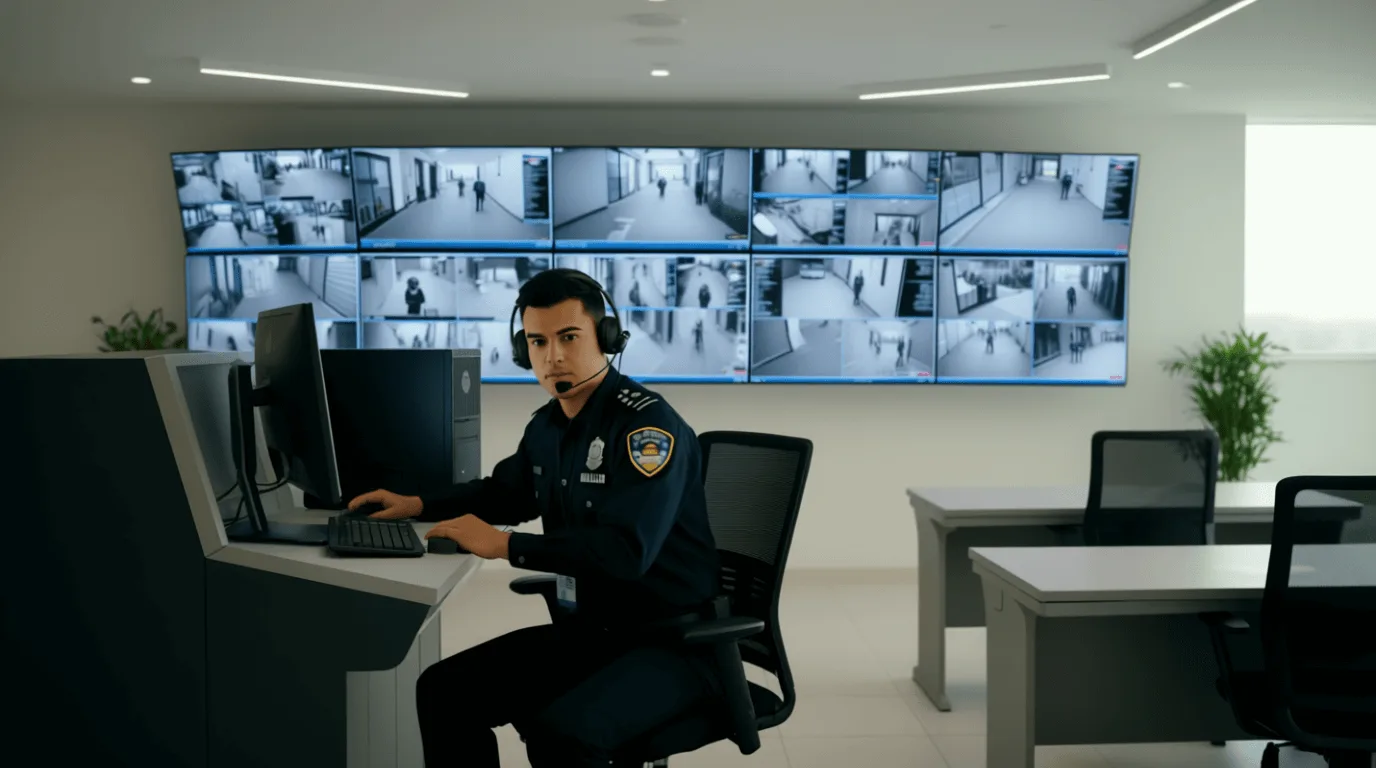 condominium-security
Residential condos offer many advantages, with security being one of the most sought-after by families. With technological advancements, condo security has been enhanced with new devices and software. Beyond surveillance cameras and access-controlled entrances, other features further bolster safety. For instance, sensors that detect pets and objects, as well as vehicle and intruder control systems. Cameras also play a crucial role, with real-time image transmission to monitoring centers, enabling immediate action in emergencies or police situations. ...
Ler Artigo →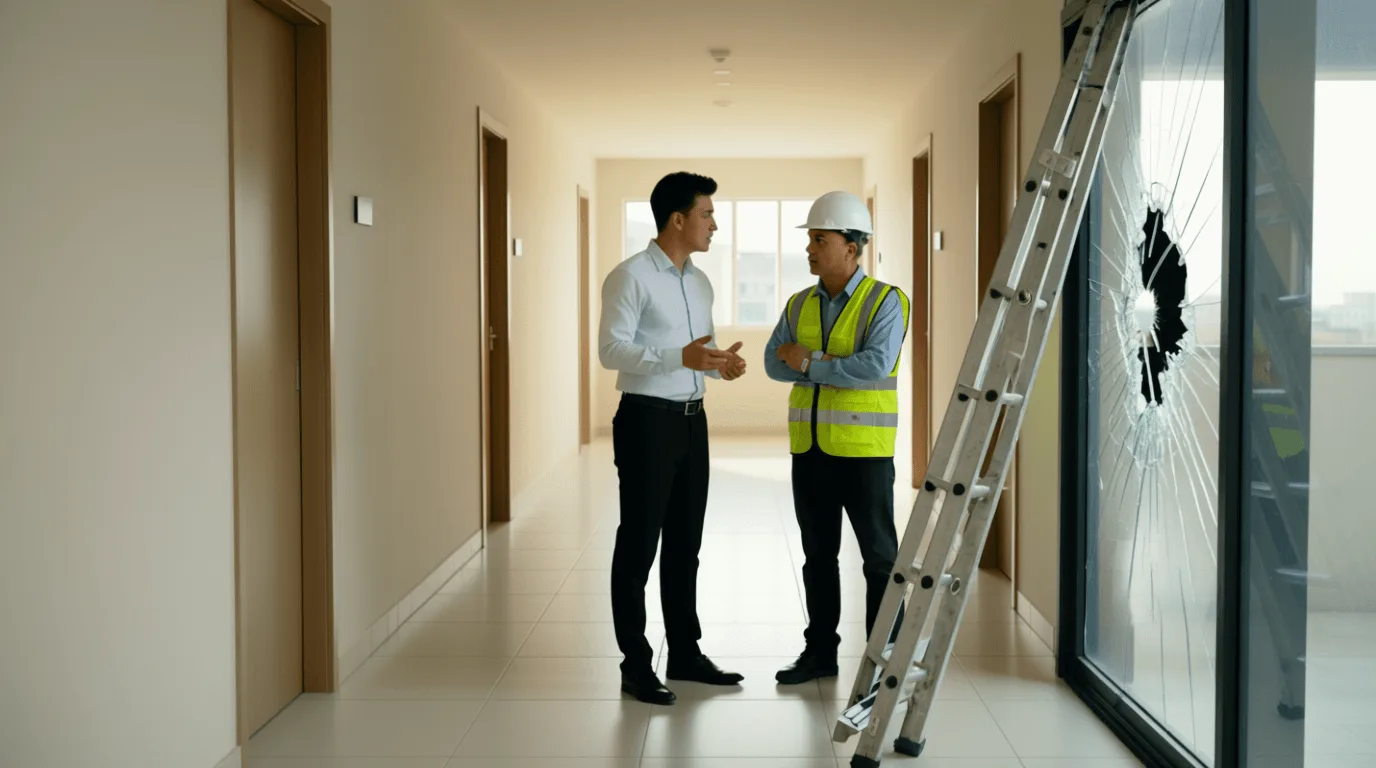 engineering
Among the most frequent problems are material or documentation shortages, delays, and upfront payments without corresponding work progress. Building managers also report uncertainty about project status and duration, along with a lack of technical expertise to effectively discuss issues with contractors.
Ler Artigo → management
Condominium management is becoming increasingly professionalized, leaving no room for amateurism. Many condominiums that don't opt for professional managers still have residents in management roles. However, regardless of the management approach residents deem most suitable, a professional management methodology is crucial. Managing a condominium today is akin to running a business...
Ler Artigo → law
law
Proxies are legal instruments that allow one person to represent another in a specific act or in the administration of interests. Their use is very common in condominium life, especially in meetings (but not exclusively). The use of proxies is supported by Brazilian legislation, as expressed in Articles 653 and following of the Civil Code. In meetings, this type of document is widely used, as it allows a condominium owner to vote and even be voted for without being physically present at the location. Some condominium owners have difficulty attending meetings and, therefore, seek to be represented by this document. But the problem lies in the distorted and abusive use of proxies. The use of proxies in condominium meetings can cause many problems, and even nullify the meeting, so the manager and the condominium administration must be attentive when this instrument is used. Recently, a general brawl during the election of a manager in a large condominium in São Paulo (approximately 12,000 units) was widely reported, where the manager, who was seeking re-election, received about 500 proxies. Since the law allows one person to receive powers from another to act or administer interests in their name, the condominium cannot prohibit the use of proxies. However, the condominium, in its bylaws, can regulate the use of proxies, establishing rules such as the number of proxies per person, whether notarization is required or not, among other rules aimed at preventing fraud and abuse of rights. It should also be noted that, even if not stated in the bylaws, the notice of convocation may require the proxy to be notarized, by virtue of paragraph 2 of Article 654 of the Civil Code. The proxy must be presented upon the representative's arrival at the meeting, so that they can sign the attendance list, with the proxy attached to the list for future consultation. Another important point is that the president and/or secretary of the meeting must pay attention to the powers granted in the proxy instrument in order to identify whether the representative can vote freely or if the document already expresses the vote, whether the holder can be voted for, whether the representative can raise questions, among other powers that may be transferred to the holder. All these details make a difference, since, as mentioned above, non-compliance with legal requirements or powers can even lead to the nullification of the meeting. Bill Project A bill is being processed in the Chamber of Deputies, Bill No. 6291 of 2019, which has only one objective: to prohibit the use of proxies in manager elections, as well as in votes of associations and cooperatives. In the justification of the bill, Deputy Professor Israel Batista (PV-DF) states that the use of proxies to vote "has served, over time, to distort the will of collectivities, delegitimizing electoral processes, the sense of community participation, and normally perpetuating in power groups that, for some reason, have these papers in hand." And he adds: "considering the national electoral process, when it comes to representatives of municipalities or states, if the citizen is outside the electoral zone, they are prevented from voting. Considering that condominium units, associations, and cooperatives are important representations of small communities, proxy voting is not democratic." Upon reading the bill and its justification, several questions arise, leading to the belief that it will not be transformed into law or will be altered before its approval. Note that the simple prohibition of proxy use, in a generic way, as provided in the bill, would make it impossible for a legal entity, owner of an autonomous unit, to vote. According to the wording of the bill, it would no longer be possible for a lawyer to represent their client in a manager election meeting. And how could elderly and/or sick people vote if proxies were prohibited? The bill should, in my opinion, regulate the use of proxies or, expressly, assign this responsibility to the condominium, through its bylaws. With the current wording, the bill does not fulfill its aim, which would be to try to curb the abuse of rights in a meeting. The excessive use of proxies can indeed distort any type of deliberation (not just elections), but eventual abuse of rights can (and should) be curbed by the bylaws or by the Judiciary. If you have any suggestions for topics for our next issue, send them to the email: condominio@pw.adv.br.
Ler Artigo → management
The complexity of daily life in a condominium, regardless of its size, demands a professional approach to management. Legal issues facing administrators require that all actions by the manager and the administrative team be guided by professionalism, integrity, and consistency with assembly decisions, demonstrating the administrators' probity. …
Ler Artigo → law
law
We are thrilled to launch this column on Condominium Law for Condomínios e Vizinhança Magazine. Each month, we'll tackle current and relevant legal topics for condominium living. Your input is crucial! Send your suggestions, critiques, and compliments to condominio@pw.adv.br, and we'll be happy to respond. In this issue, we'll discuss one of the biggest challenges faced by condominium managers and administrators: delinquency. ...
Ler Artigo →